
Understanding the psychological triggers behind gambling behavior
Understanding the psychological triggers behind gambling behavior
The Thrill of Uncertainty
The allure of gambling often hinges on the thrill of uncertainty. This unpredictable nature is deeply rooted in human psychology, where the element of chance can elicit strong emotional responses. Many gamblers find excitement in the possibility of winning, creating an adrenaline rush that can be addictive. This thrill is not merely about financial gain but also about the emotional high associated with uncertainty and risk. It is this unpredictable excitement that keeps many individuals returning to gambling environments, whether they are in casinos or online platforms like the Wazamba Casino platform.
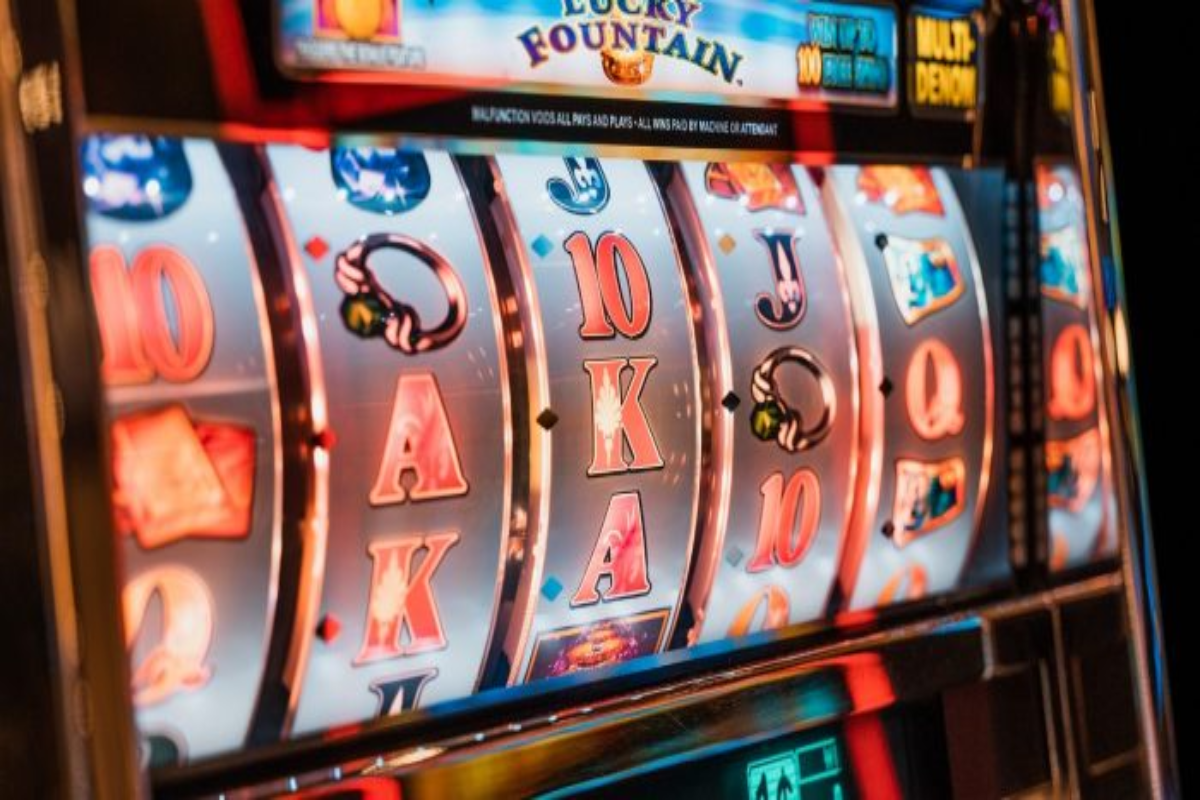
Moreover, the anticipation that accompanies gambling can be as satisfying as the outcome itself. Gamblers often experience a euphoric state when they place their bets, a psychological phenomenon referred to as “anticipatory excitement.” This emotional high can overshadow the risks involved and lead individuals to overlook potential losses. The brain’s reward system becomes engaged, reinforcing the desire to gamble even further as the rush becomes an integral part of the experience.
As a result, understanding the thrill of uncertainty provides insight into why many individuals become involved in gambling behavior. It is not just a game of chance; it is an emotional roller coaster that feeds into deeper psychological needs for excitement and risk-taking. The more unpredictable the outcome, the greater the thrill, which can often blur the lines of rational decision-making and lead to compulsive behaviors.
The Influence of Social Factors
Social influences also play a significant role in shaping gambling behaviors. Peer pressure, cultural norms, and the visibility of gambling can create an environment where individuals feel compelled to participate. For instance, in communities where gambling is prevalent, such as at casinos or during sports events, individuals may feel a social obligation to engage in these activities, leading to increased participation. This social context can often normalize gambling, making it appear as a common and acceptable form of entertainment.
Furthermore, the rise of online casinos and social gaming has transformed the way individuals engage with gambling. Platforms like Wazamba Casino provide opportunities for individuals to gamble from the comfort of their homes, often accompanied by social features like chat rooms and leaderboards. These elements enhance social interactions, making gambling feel more communal and less solitary. As a result, individuals may be more likely to gamble in social settings, contributing to their ongoing participation. The Wazamba casino Canada ensures that users can explore a wide variety of options tailored to their preferences.
The interplay between social acceptance and gambling can foster addictive behaviors, as individuals may find it challenging to resist joining in on group activities or events that involve gambling. The collective nature of gambling can also shift personal perceptions of risk, leading individuals to take greater chances than they might if gambling were solely a solitary endeavor. This social environment can create a cycle of reinforcement, perpetuating gambling behaviors among peers.
The Psychological Reward System
The psychological reward system is a crucial factor in understanding gambling behavior. When individuals gamble, their brains release dopamine, a neurotransmitter associated with pleasure and reward. This release is often magnified when a player wins, creating an association between gambling and positive feelings. Even small wins can stimulate this reward system, encouraging individuals to continue playing in pursuit of further rewards. This neurological feedback loop can lead to an increased tolerance for risk and a compulsion to gamble more frequently.
Additionally, the concept of ‘loss aversion’ plays a significant role in gambling psychology. Research indicates that individuals are generally more motivated to avoid losses than to pursue gains. This phenomenon can result in gamblers chasing their losses, which often exacerbates financial and emotional distress. Gamblers may rationalize their continued play by believing they can recover their losses, further deepening their psychological entanglement with gambling.
Moreover, the psychological thrill of winning or the dread of losing can create a state of cognitive dissonance in gamblers. They may grapple with the conflicting desires of wanting to stop while simultaneously feeling compelled to continue. This internal struggle can contribute to a cycle of compulsive gambling behavior, where the brain’s reward pathways are engaged in a relentless pursuit of the next win, further entrenching the individual’s gambling habits.
The Role of Cognitive Biases
Cognitive biases significantly influence gambling behavior, often distorting a gambler’s perception of risk and reward. Common biases include the “gambler’s fallacy,” where individuals believe that past outcomes affect future probabilities. For instance, a player might assume that a losing streak must be followed by a win, leading to riskier bets in an attempt to break the cycle. Such misconceptions can skew judgment and lead to poor decision-making in gambling contexts.
Furthermore, the illusion of control is a prevalent bias among gamblers. Many believe they can influence outcomes through skill or strategy, even in inherently random games. This false sense of agency can perpetuate gambling, as players are often unaware of the true nature of randomness involved. They may engage in rituals or specific betting patterns, thinking these actions enhance their odds, which can reinforce a cycle of gambling behavior.
Additionally, availability bias can play a role in how gamblers perceive the likelihood of winning. When individuals witness frequent wins among peers or in advertisements, they may overestimate their chances of winning. This skewed perception can lead to an increased tendency to gamble, as the excitement and potential for big wins loom large in their minds, overshadowing the realistic odds of loss. Understanding these cognitive biases is essential for addressing unhealthy gambling behaviors and fostering awareness.

Wazamba Casino: A Model of Responsible Gaming
Wazamba Casino serves as a prime example of a modern gambling platform that recognizes the importance of responsible gaming. With a commitment to providing a safe and enjoyable gaming environment, the casino offers various resources aimed at promoting awareness and education about gambling behaviors. This includes access to responsible gaming tools, which empower players to set limits on their spending and playing time, ensuring that gambling remains a form of entertainment rather than a detrimental habit.
The platform also emphasizes transparency regarding odds and outcomes, helping players make informed decisions about their gaming activities. By providing comprehensive information about games and responsible gaming practices, Wazamba Casino fosters a culture of awareness that contrasts with the addictive nature of gambling. This proactive approach is crucial in mitigating potential risks associated with gambling behaviors.
In conclusion, as gambling continues to evolve in the digital age, understanding the psychological triggers behind gambling behavior remains essential. With platforms like Wazamba casino prioritizing responsible gaming, players can navigate their experiences with a heightened sense of awareness and control. The combination of psychological insights and responsible practices can significantly enhance the gaming experience while promoting healthier engagement with gambling activities.